Blog
< Back
May the Earth Rest Lightly Upon You, Dear Mouniratou
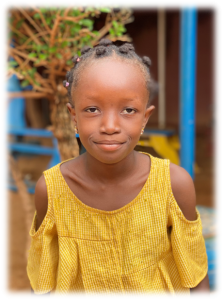 Rimkieta is cloaked in grief. Mouniratou, a 10-year-old girl enrolled in the Education for Unschooled Girls, has passed away. Locally, they call it “court maladie” (rapid illness), but it was likely cerebral malaria—a deadly form of infection caused by the Plasmodium falciparum parasite. Rest in peace, dear Mouniratou, and may the earth rest lightly upon you.
I write these lines with a heavy heart, struck yet again by the loss of a child from FAR. Mouniratou’s death marks the 21st among our direct beneficiaries. Ninety percent of these children have succumbed to malaria or dengue—often without an official diagnosis, though the symptoms are unmistakable.
Here in the Sahel, child mortality is tragically common, but that offers no comfort to families, friends, or any of those witnessing these tragedies firsthand. We’re left with a bitter truth: most of these deaths could be prevented if Western nations managed even a bit more commitment to global health.
Temperatures now hover around 36ºC, but the humidity pushes the heat index past 42ºC. This oppressive heat usually signals the rainy season’s approach, yet each year it arrives later. When the rains finally come, the accompanying surge in malaria and dengue, thrust these diseases back into the spotlight and rekindle the national concern for fighting them.
Malaria, or “le palu” as it’s known here, is the leading killer, especially during the wet months. The most recent numbers are staggering: more than 10 million cases in a nation of 23.5 million people, with more than 5,200 deaths recorded. Of those, more than 85% are children under 14. These figures likely underrepresent the true death toll, particularly in rural areas where many cases go unreported due to limited access to healthcare and official tracking.
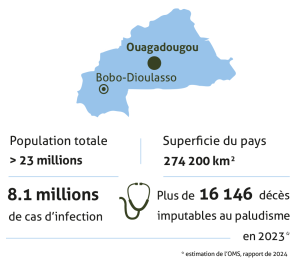
According to the WHO, more than 16,000 deaths attributed to malaria in 2023. Photo: TargetMalaria
Dengue, once rare in these parts, exploded onto the scene in 2023 with Africa’s largest recorded outbreak. Burkina Faso alone saw over 150,000 confirmed cases, though estimates suggest more than 2 million infections went undiagnosed. Its symptoms mirror malaria’s, complicating its diagnosis—especially since dengue is still new to Burkina Faso, often leading to confusion among healthcare providers.
Both diseases share a common culprit: mosquitoes. Malaria comes from the Plasmodium parasite, carried by the Anopheles mosquito, while dengue is a virus spread by the Aedes mosquito. Both rely on blood proteins to nourish their young.
Timing is of the utmost relevance. Anopheles strikes mostly at dawn and dusk, while Aedes bites from dusk to dawn. That nighttime feeding makes Aedes harder to fend off, especially in places like Rimkieta. Homes here rarely have glass or screened windows, so most people sleep outside or in open spaces, fully exposed to these relentless pests, increasing their risk of contracting dengue.
This is why the quiet, steady, still relatively unknown labors of FAR are so vital. We focus on educating and empowering the beneficiaries of our projects and their families—teaching them in particular about these risks and how they can protect themselves from malaria and dengue.
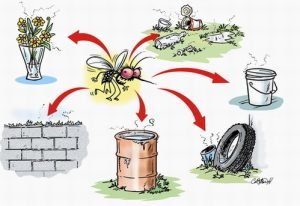
Awareness on malaria and dengue prevention. Photo: lefaso.net
Our workshops and informational sessions are tailored for kids and parents alike. In a place like Rimkieta, prevention is everything. We emphasize simple, life-saving habits: sleep under insecticide-treated mosquito nets (distributed yearly by the government); seek medical help at the first sign of sickness; and continually clear out all potential mosquito breeding sites (anywhere water can accumulate). Between the insufficient sanitation services here and a generalized lack of hygiene, we can easily overlook any number of mosquito-friendly areas. Stagnant water pools in discarded bottles, cans, barrels, buckets, and old tires—the abundant trash that litters yards and streets, practically begging mosquitoes to thrive.
I realize that all of our efforts most likely could not have saved us from the painful reality of losing Mouniratou. Yet I have no doubt that we must persevere. Education and awareness have to make a difference, and we’ll keep pushing forward.
To all of you who support our work, I once again thank you from the bottom of my heart. Without your generosity and compassion, none of this would be possible.